 Mental Clarity
Why You Feel Mentally Slower After a Bad Night
A calm, practical guide for adults 50 plus on regaining mental clarity, focus, and steady recall after restless sleep.
A Calm Look at What You Are Experiencing
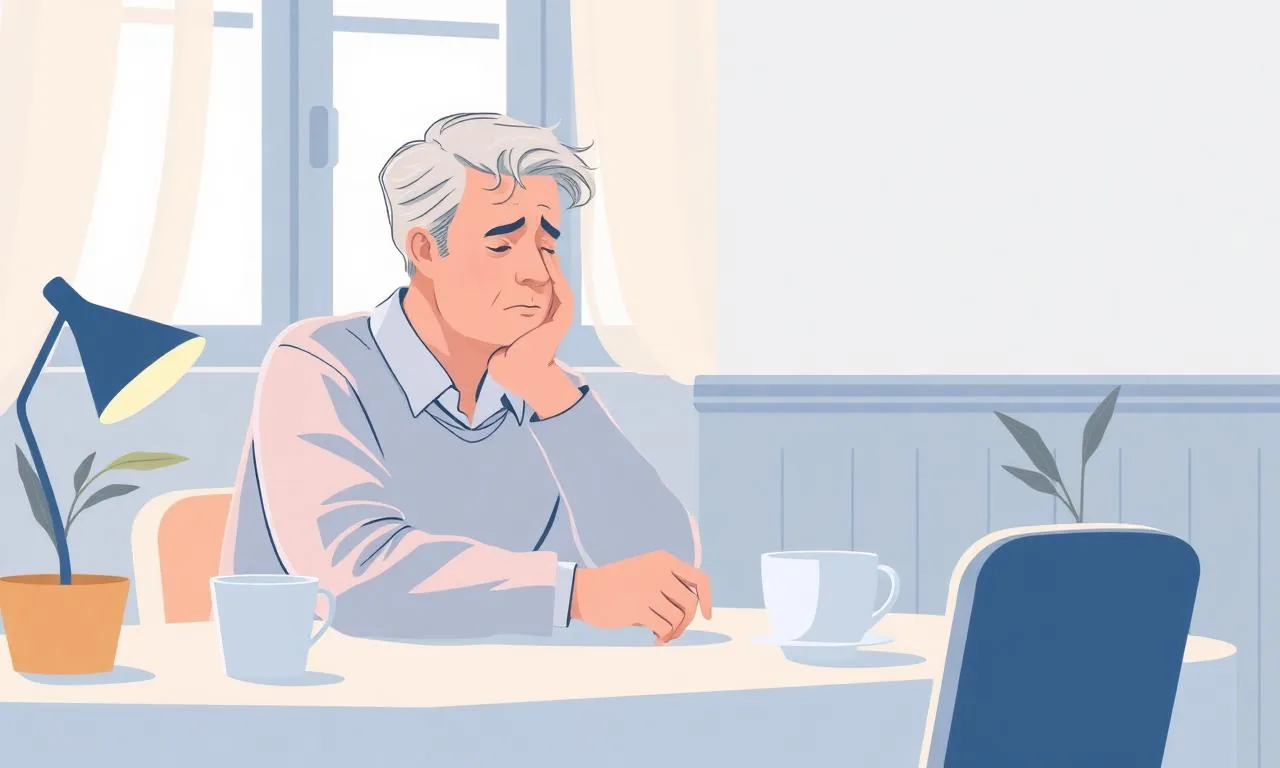
After a rough night, thinking can feel like wading through soft sand. Words take longer to surface. Decisions feel heavier. This is the mind asking for the rest it did not get.
Common Symptoms You May Notice
- Slow word retrieval
- Decision fatigue early in the day
- Heavy eyelids by mid morning
- Lower patience in conversations
- Trouble switching between tasks
- A flat or low mood
Daily Life Examples
- Taking longer to reply to a simple email
- Pausing while ordering at a familiar shop
- Forgetting why you opened a tab
- Re reading instructions
- Snapping at small frustrations
A Practical Explanation
Sleep deprivation slows the prefrontal cortex, the area that manages focus and decision making. Even a small loss of deep sleep can reduce processing speed for many hours. Calm light, gentle movement, and a steady breakfast usually help, but the deeper fix is restoring quality sleep.
For deeper context, you may also enjoy the homepage overview on why your brain feels slower after poor sleep, along with related notes on mental slowness after a bad night and the afternoon brain crash.
Mini Self Check
Take a quiet moment and ask yourself:
- Did you sleep less than six hours last night?
- Is your focus today noticeably slower than usual?
- Are you reaching for caffeine more than once before noon?
If you answered yes to two or more, the recovery resource below was built with situations like yours in mind.
A Resource Many Adults 50 Plus Find Helpful
If poor sleep keeps clouding your day, consider exploring the calm, structured guide below. It is the same resource referenced throughout this page.
Frequently Asked Questions
Why do I feel slow after only one bad night?
Lost deep sleep cannot be fully replaced by caffeine, so the brain runs on a slower setting until it catches up.
How long does the slowness last?
Most adults bounce back within one to two restful nights.
Is exercise helpful on a bad day?
Light movement helps. Avoid intense workouts when very tired.
Should I drink more coffee?
One cup is fine. More can interfere with the next night of sleep.
Does daylight in the morning help?
Yes. Ten to fifteen minutes of morning daylight helps reset rhythm.
Is napping a good idea?
A 20 minute nap can ease the slowness without spoiling night sleep.
What foods help on a slow day?
Lean protein, fruit, and water tend to support steadier focus.
Is alcohol a problem after a bad night?
Yes. Alcohol fragments the next night of sleep further.
Could this be more than sleep?
If slowness becomes a daily pattern, please consult a qualified professional.